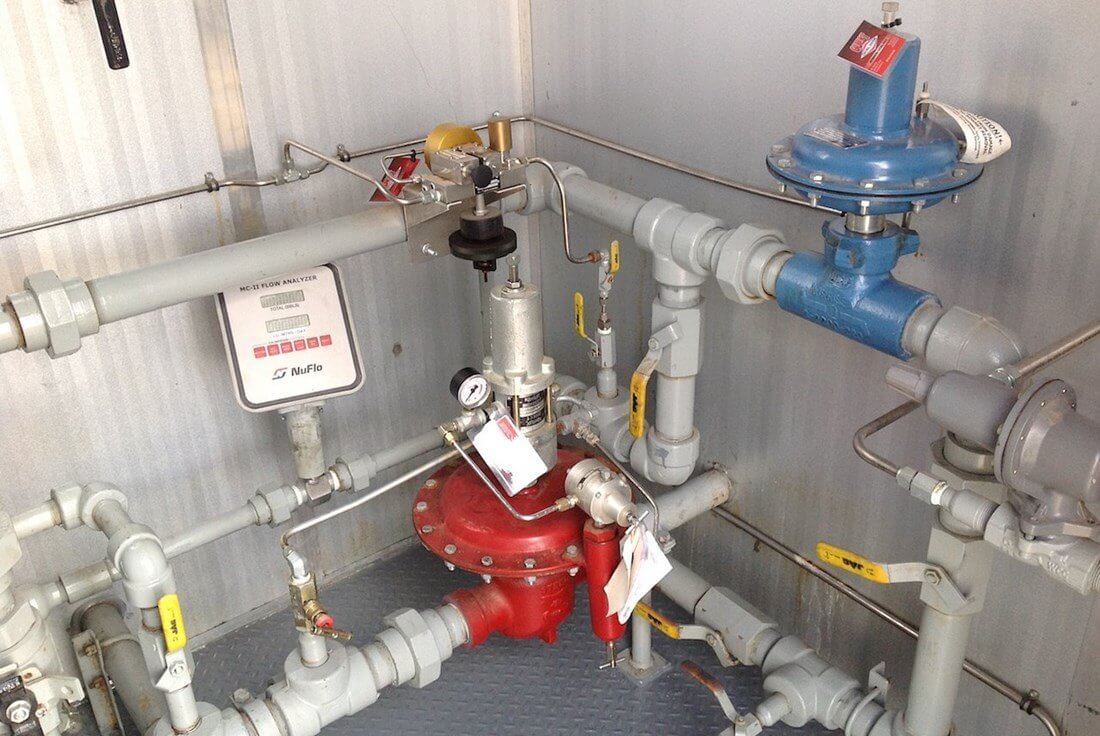

Key Takeaways
- Periodic test separator calibration is necessary for precise data that enables smarter decision making and reservoir management.
- Accurate separator test data reduces lost revenue and identifies ways to optimize efficiency and increase profitability.
- Separator test results can be made more accurate and consistent by performing regular calibrations and using primary and secondary instruments.
- By targeting environmental factors, equipment wear, and human error with training, maintenance, and clear protocols, you can produce more consistent and reliable test results.
- Pushing the field staff to pair experience with real-time data analysis helps identify and interpret anomalies during tests.
- Proper documentation and continuous training help to stay compliant and keep calibration up to date.
Test separator calibration means setting and checking a separator to make sure it gives correct readings during tests. In labs and industrial sites, separators assist in separating fluids and gases for analysis or processing. Proper calibration helps with safety, precise information, and reduced waste. The exact calibration procedures differ, but most have fixed flow rates, consistent pressure, and periodic calibration with known standards. Some teams leverage digital tools, but spot-checking is still common in many areas. Many adopt ISO or ASTM standards to maintain consistency and credibility across locations. More on typical steps, tools used, and separator-tuning tips appear in the subsequent sections of this guide. Open protocols help groups stay up with business demands.
The Calibration Imperative
Separator calibration is the foundation of dependable measurement and reporting in oil and gas. The calibration imperative is keeping test results accurate, consistent, and reliable, which is critical for business, economic, and compliance reasons. Calibration is about more than just verifying numbers; it’s about cultivating confidence in each subsequent decision.
Steps to Ensure Accurate Separator Tests Through Calibration:
- Begin with a reservoir fluid sample at actual reservoir temperature and bubble point pressure in a PVT cell.
- Conduct a minimum of four separator pressure tests to determine the ideal separator pressure according to industry standards.
- Document everything, from oil FVF to gas solubility, to obtain a comprehensive fluid profile.
- Plan regular calibration visits with intervals depending on use, vessel condition, and industry practice.
- Take advantage of sophisticated calibration to keep everything within suggested tolerances.
- Record each calibration occurrence for audit and operational purposes.
1. Data Integrity
Regular calibration is essential for data accuracy. Accurate separator test data drives smarter decisions around production, investment, and safety. Performing frequent checks, both before and after separator tests, ensures that your fluid measurements remain accurate and consistent. With calibration being the imperative, monitoring separator conditions such as temperature and pressure helps to prevent errors in reported data. Advanced calibration instruments, such as electronic pressure sensors, introduce an additional degree of precision. This builds confidence between groups and initiatives.
2. Financial Impact
Minor mistakes in separator test data can compound into major losses. Faulty gauges might cause them to underreport or overreport their output to the refinery, affecting income and expenses. Quality calibration delivers immediate cost savings by minimizing product wastage and expensive rework. Companies realize the greatest returns when calibration is routine. Better calibration further reduces the chances of fines for false reporting.
3. Reservoir Management
Good reservoir management relies on accurate separator readings. Precise measurements assist in maximizing fluid recovery and reservoir pressure. Bad separator separation can contaminate fluid models, damaging production forecasts. Calibrated test data feed into reservoir simulations, making them more reliable. Understanding actual oil viscosity and gas solubility helps us optimize fluid handling and management plans.
4. Operational Efficiency
Calibration makes daily operations more efficient. With calibrated separators, teams can tweak pressure settings more quickly and with more confidence. This minimizes downtime from troubleshooting and retesting. Proactive maintenance, guided by consistent calibration, has your equipment running longer. Reliable calibration translates to easier operations and increased field performance.
5. Regulatory Compliance
Industry requirements begin with calibration. Audits require transparent calibration documentation. Being current on evolving norms saves you from accidental violations. Best practices, such as logging every calibration and utilizing certified equipment, underpin continuous compliance and environmental responsibility.
Calibration Process

Calibration for test separators is the process of comparing and adjusting the device readings to a known standard. We want to take readings that are precise and consistent over time. We all calibrate — labs, field tests, and plants to catch errors early, increase our confidence in tests, and keep processes running just right. It helps achieve global quality standards. We employ both primary and secondary tools, with rigorous sampling procedures to make certain that every test is equitable and reproducible.
- Compare all device readings with a certified reference.
- Use specialized equipment for both manual and automated calibration.
- Log calibration results for each device and time period.
- Always check and adjust primary and secondary devices together.
- Follow strict protocols for collecting and storing samples.
- Train staff on calibration steps and troubleshooting.
- Review and update procedures often for best results.
Primary Instrumentation
Step one, select appropriate primary instrumentation for measuring separator output, such as flow meters, pressure gauges, and temperature sensors. Select those that suit the test’s requirements and can be calibrated to a traceable standard. These devices require periodic checks and adjustments. This might be monthly or quarterly inspections, depending on utilization and working environment.
Staff should be familiar with using and reading each instrument. A little slip-up at this point can wreak havoc much farther down. Operators need hands-on training to identify bad readings and understand when to re-calibrate. Maintaining a record of every instrument’s calibration history allows you to identify patterns or early indicators of drift.
Secondary Devices
Secondary devices — whether they’re backup sensors or handheld meters — add another layer of confidence to your results. They assist in cross-checking the principal readings and detecting issues early. Be sure to always calibrate these against your primary ones so the data all aligns.
Run spot checks with secondary devices while testing. When backup readings are off, correct the problem and recalibrate before proceeding. These steps keep the entire system honest.
Periodically test the calibration of these instruments. Swap out or fix any that have drifted. This keeps the calibration process robust.
Fluid Sampling
Retrieve fluid samples with fresh, sealed bottles and a consistent technique. This keeps each sample faithful to the reservoir’s condition. Compare these samples in the lab with straightforward, time-tested experiments to obtain necessary data such as density or viscosity.
Keep the samples sealed from air and light exposure that may alter the results. If the sample is contaminated, discard it and redraw.
How often do you review your sampling? Search for vulnerabilities, such as sample quality shifts or operator mistakes, and adjust your procedure accordingly.
Common Pitfalls
Test separator calibration is tricky. There are a lot of ways to mess this up if you aren’t careful. Carried away by common pitfalls, incorrect results typically stem from overlooking subtle changes in fluid density or overlooking problems such as contamination in pressure gauges. If the separator isn’t serviced or the team isn’t trained, errors pile on quickly. Relying on a single metric can skew your results. Instead, average readings over time for a more realistic picture. Ignoring these fundamentals can render surface well test interpretation significantly more dubious.
Environmental Factors
Separator precision is based heavily on location and test execution. Temperature and pressure swings can affect results, particularly if the equipment isn’t adjusted for those swings. High humidity or dust can damage pressure gauges and other sensors, causing inaccurate readings. To keep tests on track, always verify the environment prior to initiating. Cover or shelter gear from wind, rain, or sun. If you’re in a location with unusual weather, modify your testing accordingly. Even something small, like a sudden change in temperature, can alter fluid density and disrupt readings.
Equipment Wear
Decrepit parts can spell disaster for separator tests. Small leaks, blocked valves, or dirty sensors might slip through initially but gradually spoil the data. Frequent inspection, maintenance, and replacement of worn components maintain the separator in optimal condition. Seals, gauges, and fittings made from quality materials not only make gear last longer, they make calibration more stable. Establish a maintenance schedule and follow it. That keeps surprises to a minimum and helps catch problems before they grow.
Human Error
Experienced operators are a game changer in testing. Errors occur when training is bypassed or not updated. A good training course teaches all the fundamentals, including how to identify an issue, resolve it, and record modifications. Checklists normalize every stage of the test, reducing skipped steps and confusion. Passing notes between shifts keeps us all in the loop about what’s been done and what’s next. Teams who talk things out spot errors early and keep everyone in the loop. This culture of accountability leads to less guesswork and more reliable results.
Beyond the Manual

Test separator calibration is more than following the directions in a manual. Of course, field conditions can change and the meters only provide partial information. A balanced strategy combines on-the-ground expertise, live tracking, and group feedback. These things assist in fine-tuning calibration and increasing dependability.
The “Feel” of the Field
Field teams cultivate a feel for how a separator should operate through manual experience. They detect variations in sound, vibration, pressure, or flow that may not appear in the data immediately. When something seems amiss, such as an odd sound or a drop in temperature, field staff are frequently the first to detect it. Their reports provide early hints to problems that require a more penetrating focus.
Pairing these gut checks with hard data makes calibration stronger. For example, if a separator appears to be running rough but information appears fine, it could indicate a concealed issue. Teams could use these insights to tweak calibration points, choose smarter test intervals, or compensate for fluctuating field conditions. Over time, field observations accumulate a knowledge base that aids teams in identifying patterns and preventing errors.
Interpreting Anomalies
Not every test pans out. Occasionally, data will present spikes, dips, or other strange results. These anomalies trade show early warning signs of blockages, leaks, or sensor drift. Quick dives with diagnostic tools such as handheld flow meters or pressure testers can verify if the issue is fake or a sensor error.
When aberrations appear, discussing results as a team assists. Sometimes other teammates spot trends that others do not or recall analogous challenges from previous work. By sharing these ideas, we accelerate troubleshooting and make future issues less likely.
Describing what occurred and what was done about it provides everyone a reference for next time. Maintaining a clean record of weird test runs, root causes, and fixes generates a reference for new and veteran team members alike. This discipline of sharing and tracking knowledge helps keep standards high, even as personnel and gear rotate.
Best Practices
Proper calibration of a test separator not only keeps measurements accurate but reduces mistakes in well testing. These make sure the work is slick, the documentation is clean and the squad stays keen. Keeping ahead of evolutions in your niche is essential so this gets easier over time.
Calibration Frequency
Determine calibration frequency by considering the equipment’s usage, the types of fluids it handles, and the work environment. Heavy use, harsh field conditions, or changes in well flow require more frequent checks. Schedule regular calibration monthly or quarterly to keep tools providing accurate figures. If a separator has had stable readings for a while, it might be okay to extend the interval, but only if logs support this.
If possible, keep everyone in the loop about why the schedule is important. Remind the crew that consistent readings are more about frequent calibration than the specs of the gear. It is similar to charging an electric car at the destination; the recharge, not the battery range, is what keeps things moving. If problems or drifts appear, reduce the interval immediately.
Documentation

Take notes on each calibration: date, time, what, and who. This leaves an obvious audit trail and aids trend spotting if something derails. Digital logs or cloud-based systems are best, so everything is in one place and easy to locate. This comes in especially handy for teams diffused over numerous sites.
Go over logs frequently to catch anything missed or that looks strange. Ensure the specs align with best practices. Open-source databases can help you avoid vendor lock-in and keep things simple for new staff. Have a central database so anyone can look up previous calibrations quickly, which maintains transparency.
Personnel Training
Educate employees with a combination of classroom and practical sessions. Demonstrate how to tune test-separator readings with in-well sound speed verifications and flowmeter adjustments. Employ actual instances such as post-processing months of flow data following a parameter file change to instruct on best practices.
Advocate for continuous education, ensuring that all remain current with emerging calibration methodologies and equipment. Occasionally check what people know and ask for feedback. This aids in identifying gaps in skills and keeps everyone on their toes.
Review and Update Best Practices
Review your calibrations every so often. Introduce fresh industry research, such as the newest on phase fraction optimization or how combining multiple measurements, such as test-separator and OFM, reduces errors. If regular checks can reduce phase fraction differences to plus or minus 1 percent, make that the new aim. Stay current by replacing files when flowmeters change, and always verify that PVT and separator measurements are as precise as possible.
Future of Calibration
Calibration for test separators is evolving rapidly as new tools emerge and testing demands continue to shift. Labs and field teams around the world are under increasing pressure to adhere to elevated standards and regulations. Keeping your ear to the ground for key breakthroughs and knowing where to apply them can mean keeping results consistently on point.
Keeping current means considering both improved measurement techniques and intelligent equipment. Recent years have added more digital sensors, real-time data-tracking software, and self-auditing systems. Every new step reduces errors, reduces drift, and reduces downtime between checks. The table below shows some recent changes in test separator calibration gear and methods:
| Advancement | What It Changes | Example |
|---|---|---|
| Digital pressure sensors | Boosts repeatability and accuracy | Built-in diagnostics for quick fault checks |
| Automated calibration rigs | Speeds up routine checks, less human error | Mobile calibration stations |
| Cloud-based data systems | Stores and shares data worldwide | Remote monitoring of test separator trends |
| Wireless connectivity | Allows real-time updates on readings | Bluetooth-enabled calibration tools |
To utilize these new tools effectively, teams need to examine their existing calibration methods and remain flexible. This might involve training staff on digital platforms or implementing data capture for each testing cycle. For instance, transitioning from manual logs to cloud storage enables teams to compare results from multiple sites or countries. Deploying drift-flagging or real-time error-spotting systems can assist in repairing issues before they escalate. This leads to less downtime, fewer missed faults, and more trust in the results.
Looking forward, calibration for test separators will probably encounter new challenges. These could be due to stricter standards for the industry, more complicated test fluids, or simply the demand for swifter testing. It’s useful to consider these concerns in advance. There are a few things that you can do to keep the cogs turning: backup plans, spare parts ready, and working with your suppliers on updates. If they can share tips and standard steps with the global community, it can help everyone be on the same high standard.
Conclusion
A little calibration goes a long way to keeping test separators on target. Little audits at the right moment catch screw-ups when they’re still small. Bypassing steps or hurrying introduces danger, so calm effort rewards. Teams who apply explicit procedures and maintain accurate records encounter fewer mistakes and less scrap. Even when using new tech, the fundamentals remain—calibrate correctly, test regularly, and respond quickly. Tools and guides assist, but true mastery breeds with hands-on hours. Thorough work today implies fewer troubles tomorrow. Pass pointers to your gang, watch for shakeups in your equipment, and always support your moves with evidence. To maintain output clean and safe, continue to study and stay sharp. Give these tips a whirl, and watch your work transform.
Frequently Asked Questions
What is test separator calibration?
Test separator calibration means calibrating a test separator. This ensures it provides accurate results, which is critical for quality control and safety in numerous industries.
Why is regular calibration important for test separators?
Periodic calibration makes sure test separators provide accurate and consistent results. This helps prevent mistakes, satisfies international standards, and preserves equipment longevity.
How often should test separators be calibrated?
How often a test separator should be calibrated depends on usage, manufacturer, and industry standards. Usually, yearly calibration is recommended. High-usage environments might need to check them more often.
What are common mistakes in test separator calibration?
Frequent errors are missing calibrations, utilizing incorrect references, and failing to record results. Such mistakes may cause incorrect test results and harm to the apparatus.
Can calibration be performed without professional help?
Small checks can be carried out in-house, but full calibration ought to be conducted by experienced technicians. It needs professional equipment and professional calibration.
What are the benefits of following calibration best practices?
If you follow best practices, you’ll receive reliable results, reduced downtime, and maintain compliance. It safeguards your test integrity and optimizes your operations.
How is the future of test separator calibration evolving?
The future features more automated calibration solutions, remote monitoring, and integration with digital systems. These innovations enhance precision, effectiveness, and traceability in calibration procedures.
BENOIT RENTALS’ TOP RESOURCES ON OILFIELD FLARE STACK SYSTEMS:
Alberta Energy Regulator (AER) – Flaring and Venting
Petroleum Technology Alliance Canada (PTAC)
Canadian Association of Petroleum Producers (CAPP)